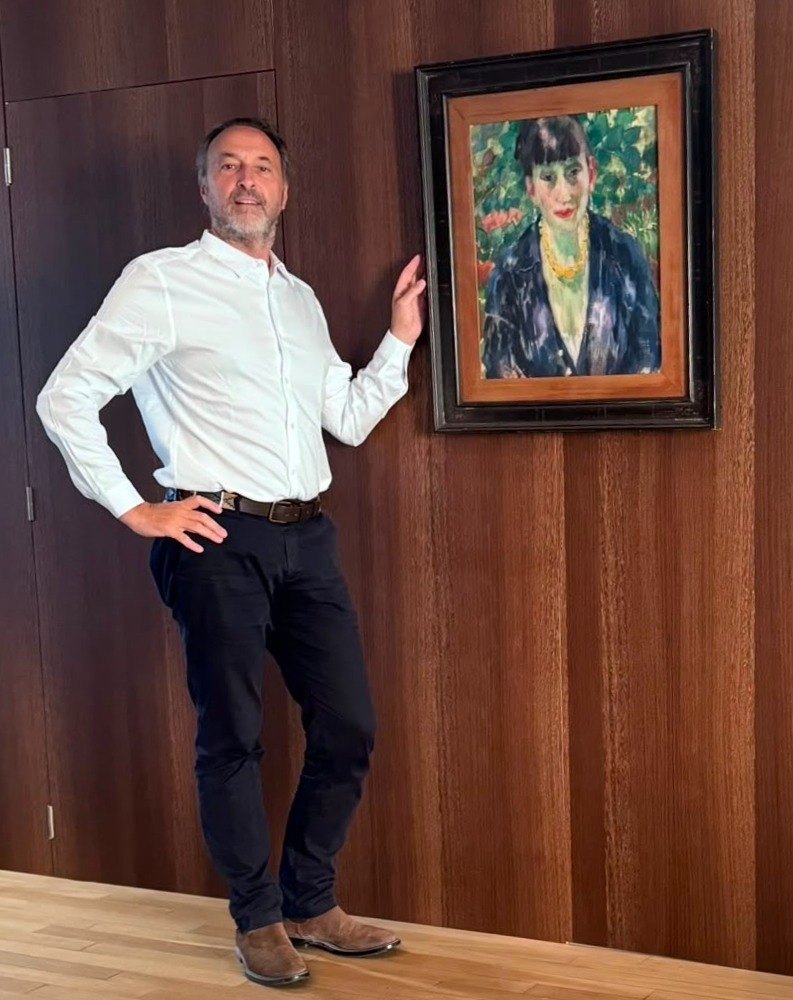
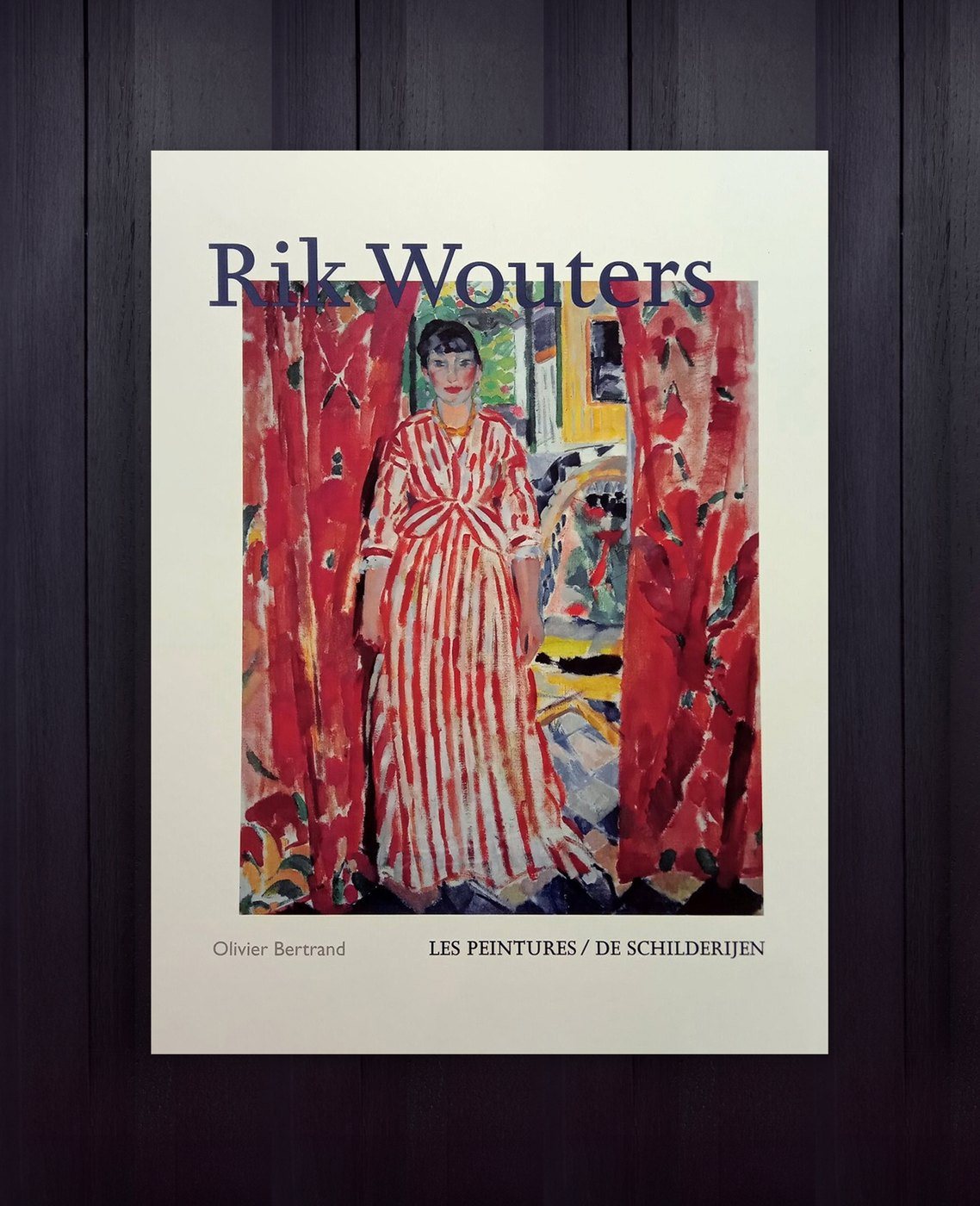
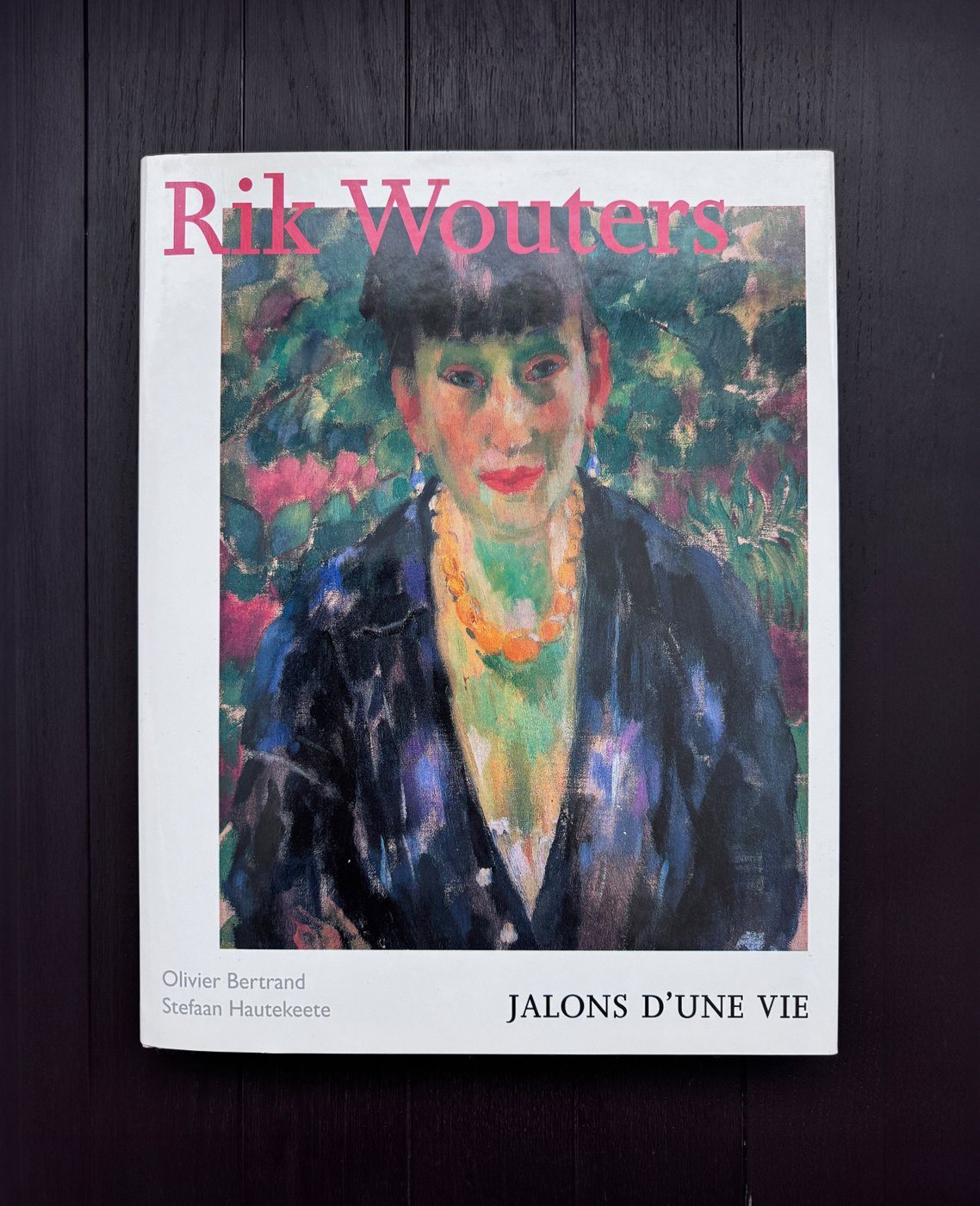
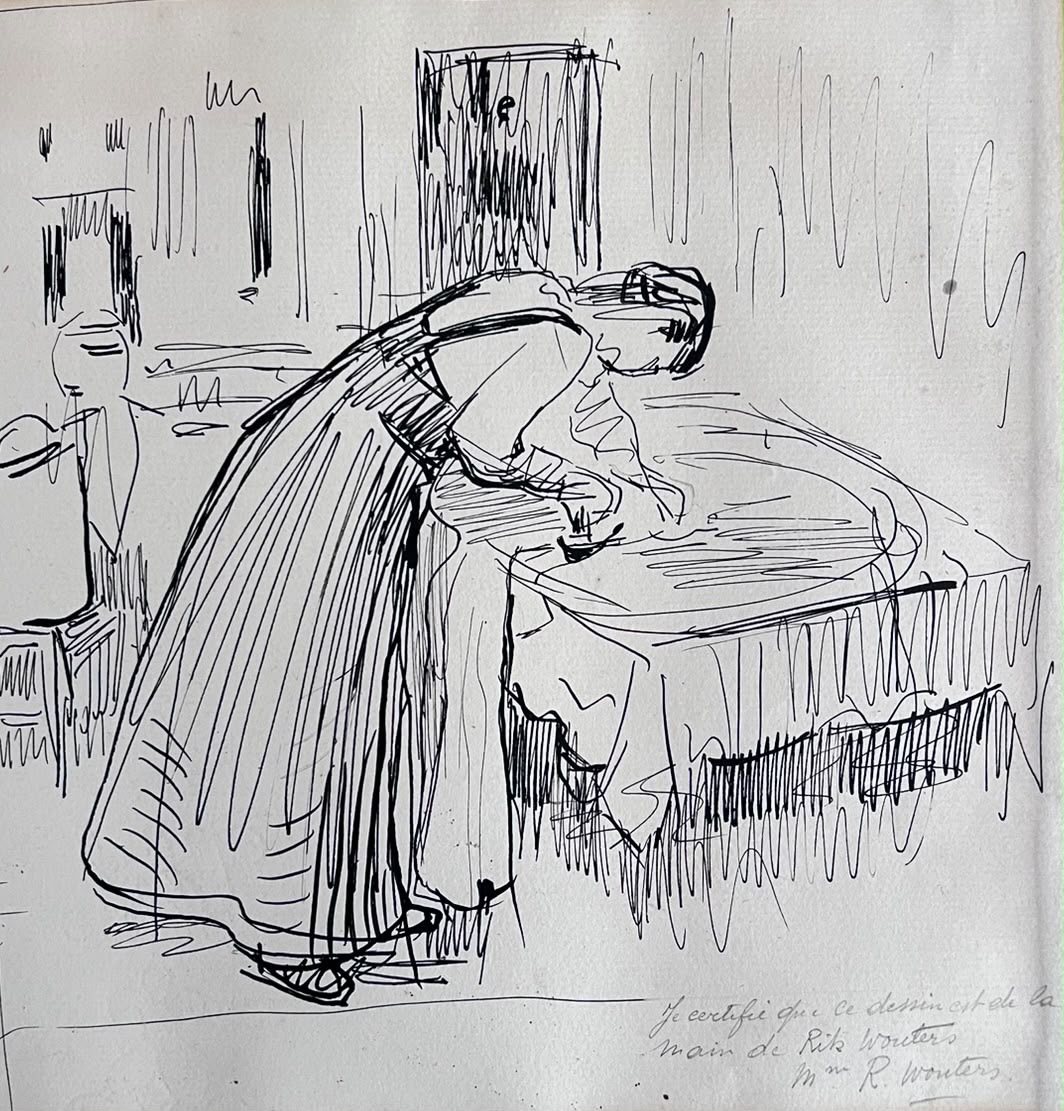
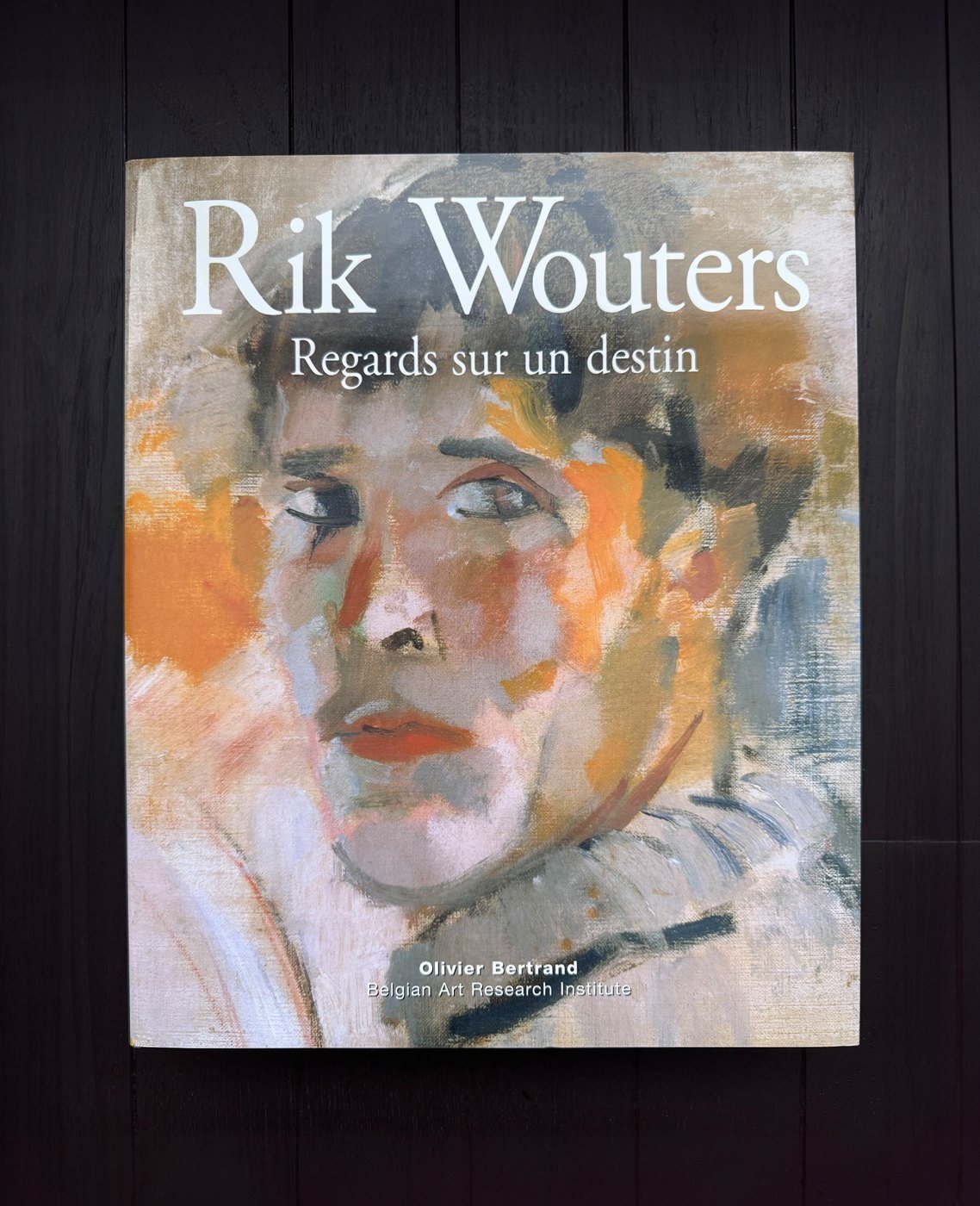
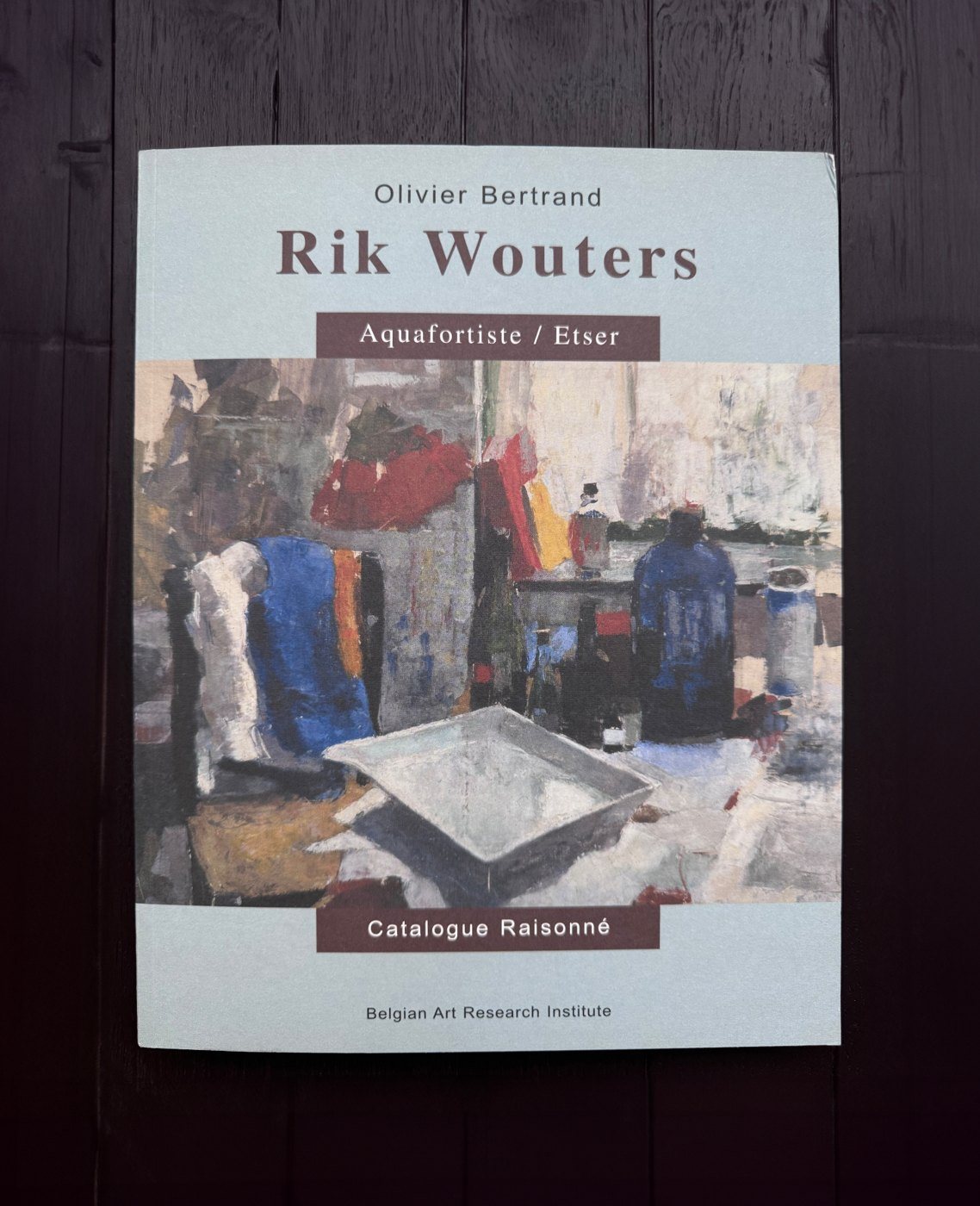
Expertise, authentication and the writing of books and catalogues raisonnés of Rik Wouters are the heart of Olivier Bertrand’s work. Three decades of first-hand study of the œuvre — paintings, works on paper and sculpture — stand behind every opinion he gives.
He examines and certifies works, researches provenance, advises collectors, dealers and institutions, and prepares the reference catalogues in which the artist’s œuvre is recorded.
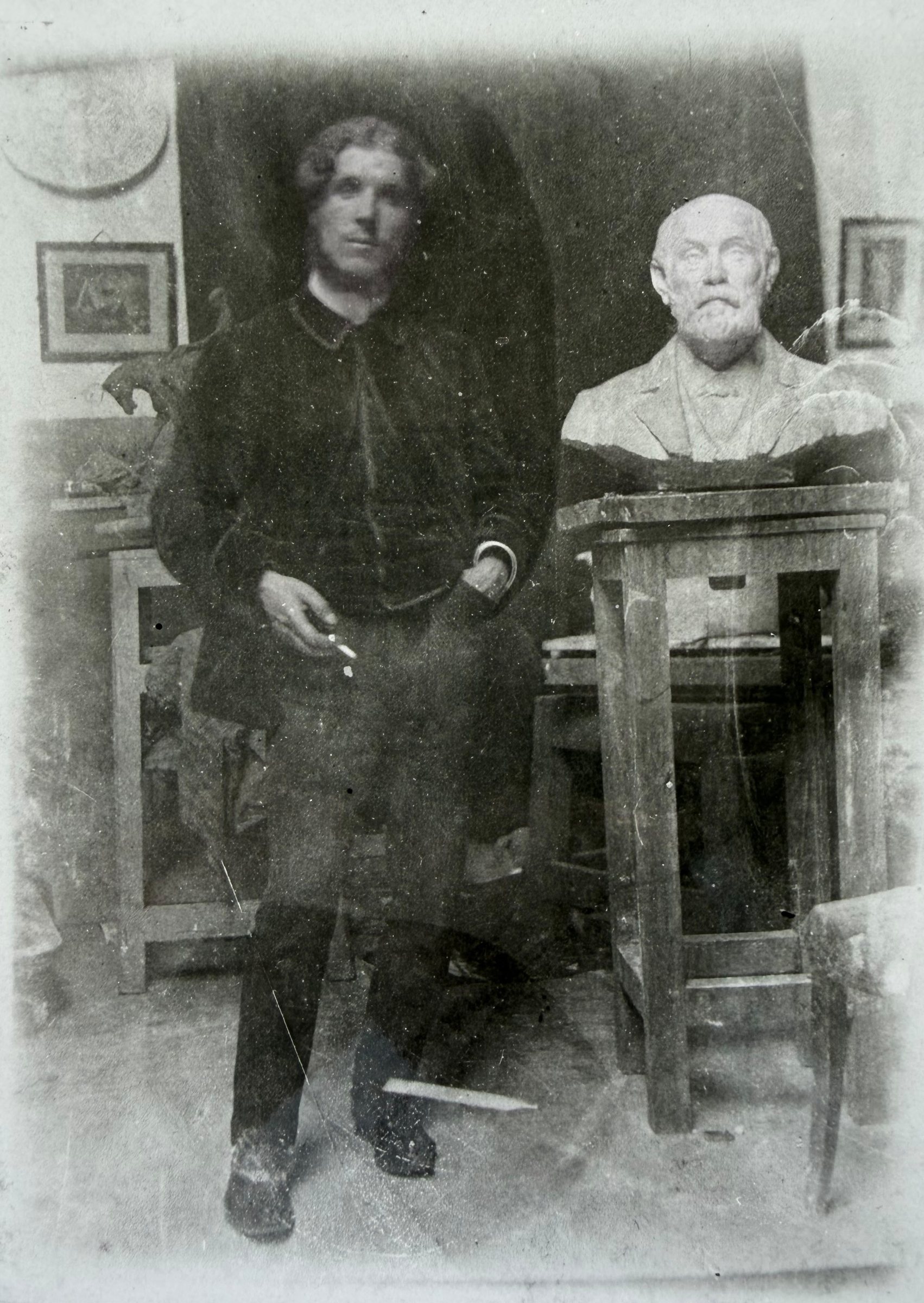
Born in Mechelen in 1882, the son of a cabinetmaker specialised in the so-called “lion’s-mouth” furniture — a craft for which the town was renowned — Rik Wouters grew up in his father’s workshop, where he was introduced early on to woodworking and sculpture.
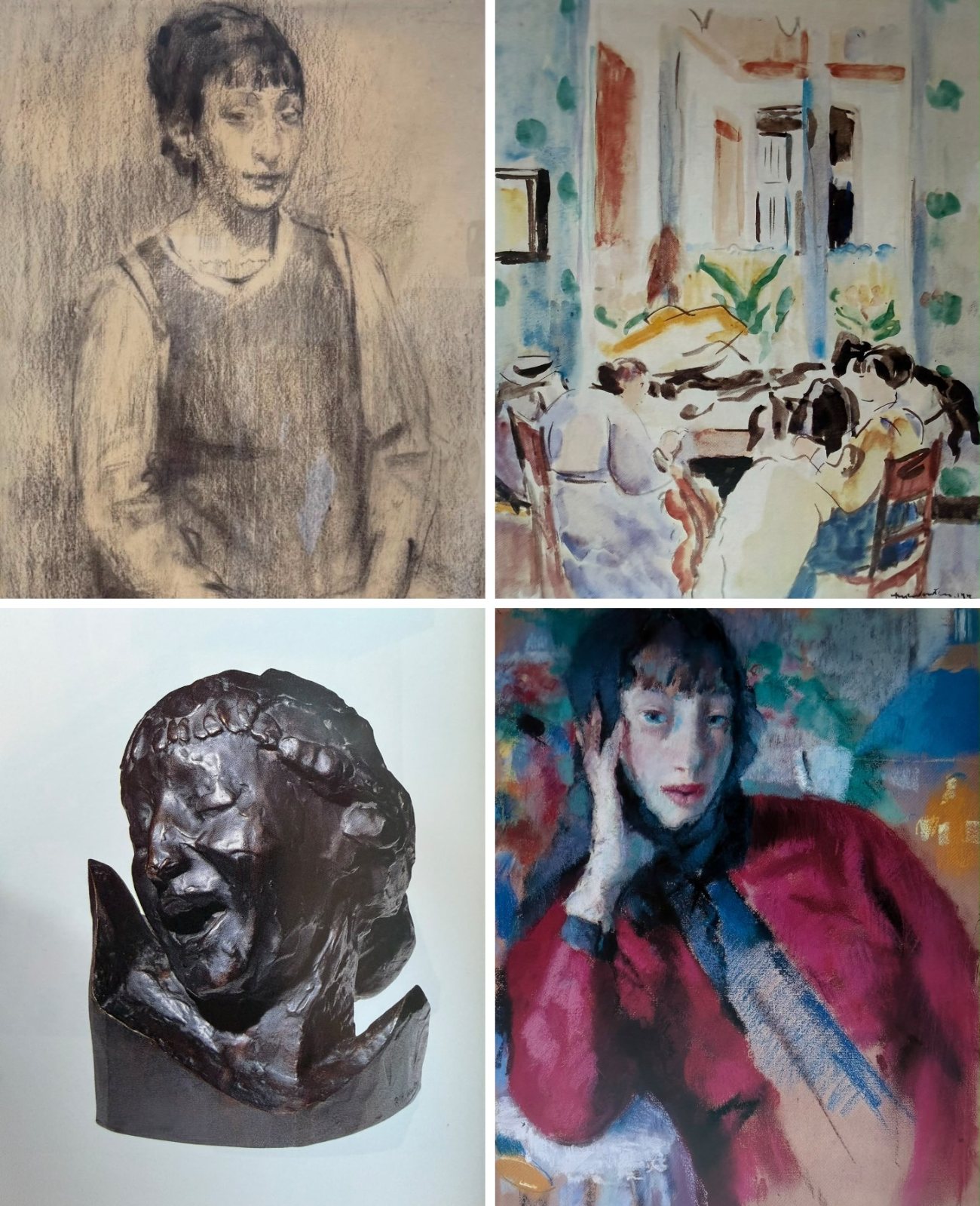
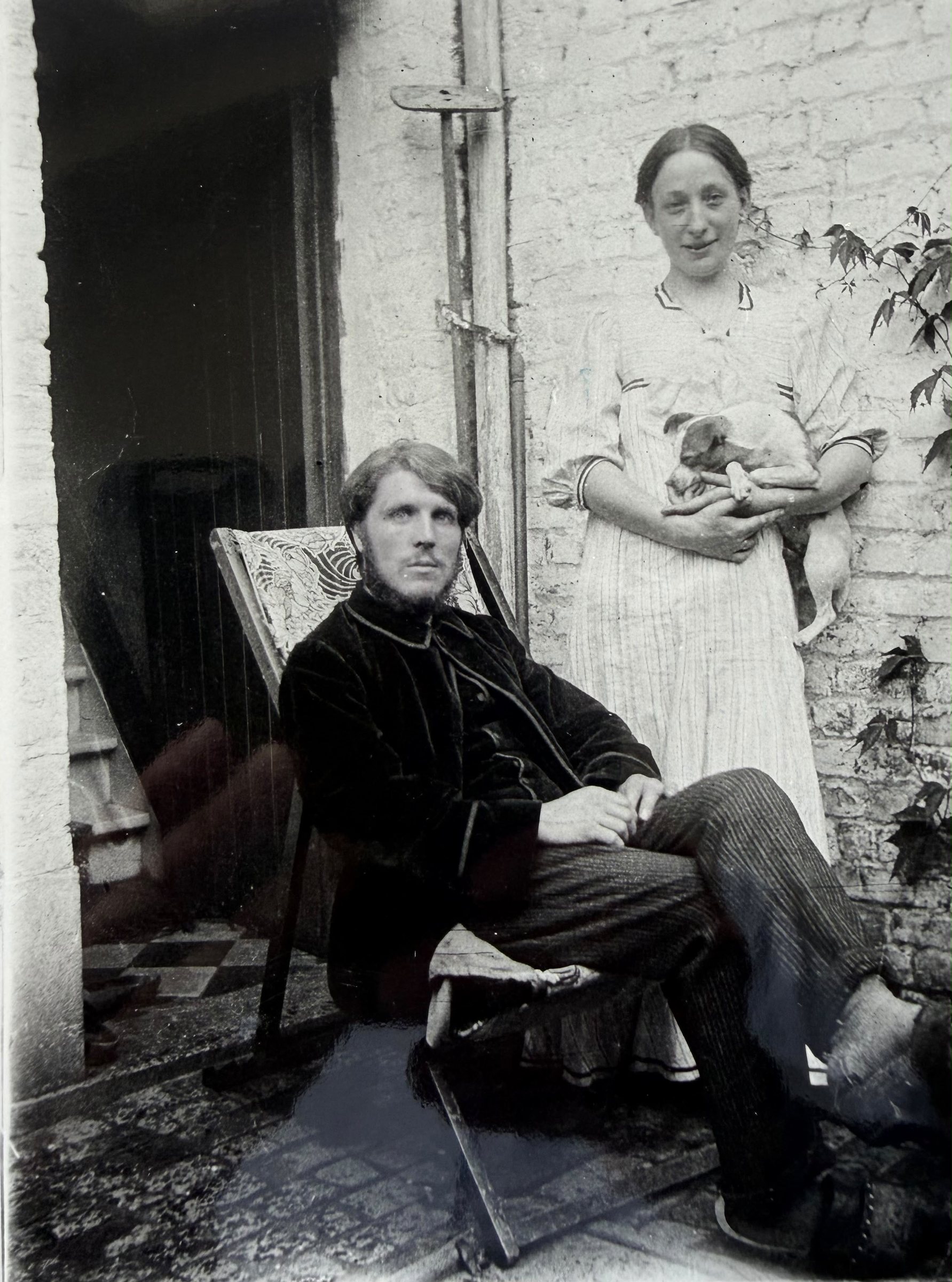
The decisive encounter of his life was with Nel (Hélène Duerinckx), whom he married in 1905: she became his near-exclusive model and the constant inspiration behind his work, in both painting and sculpture.
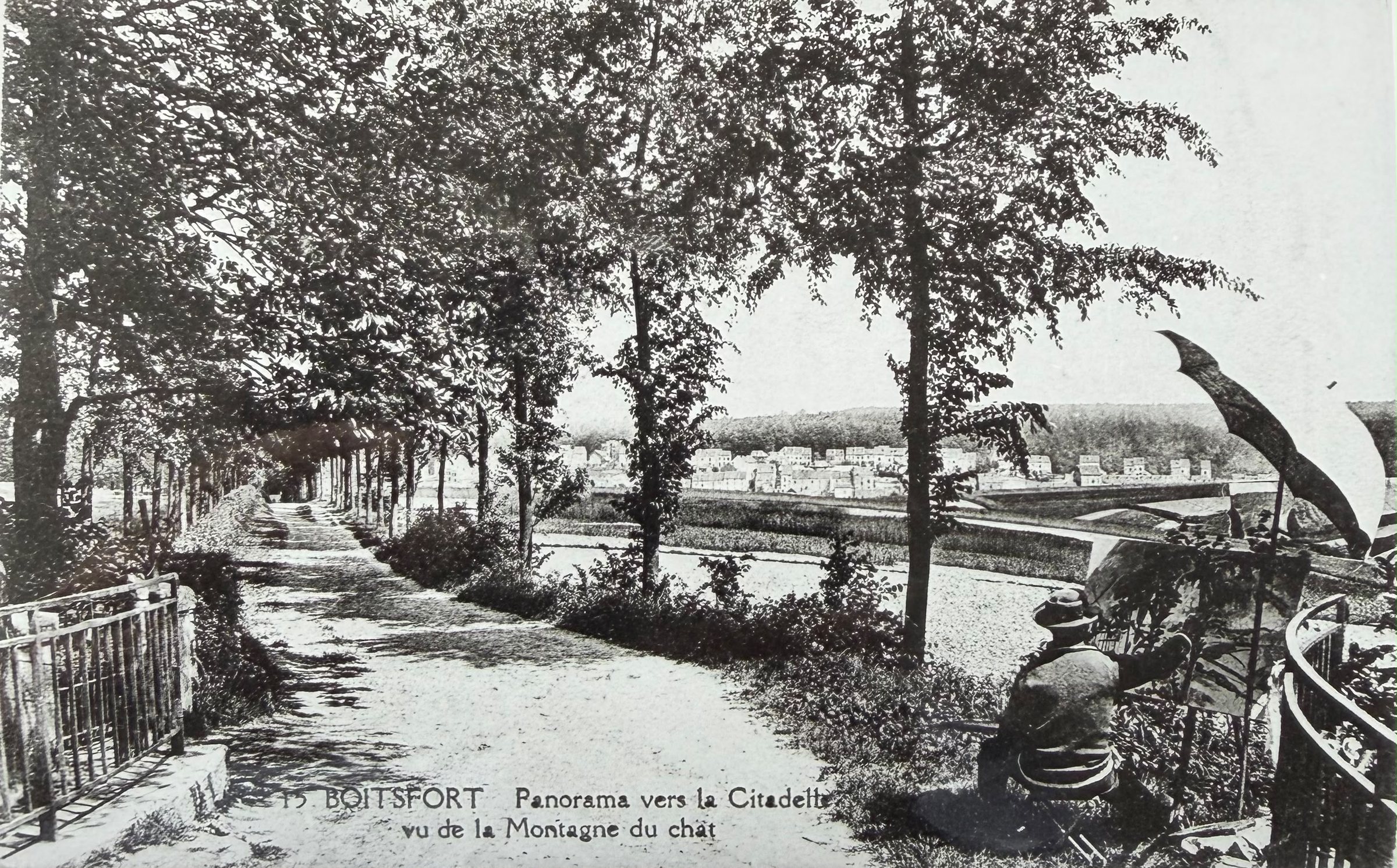
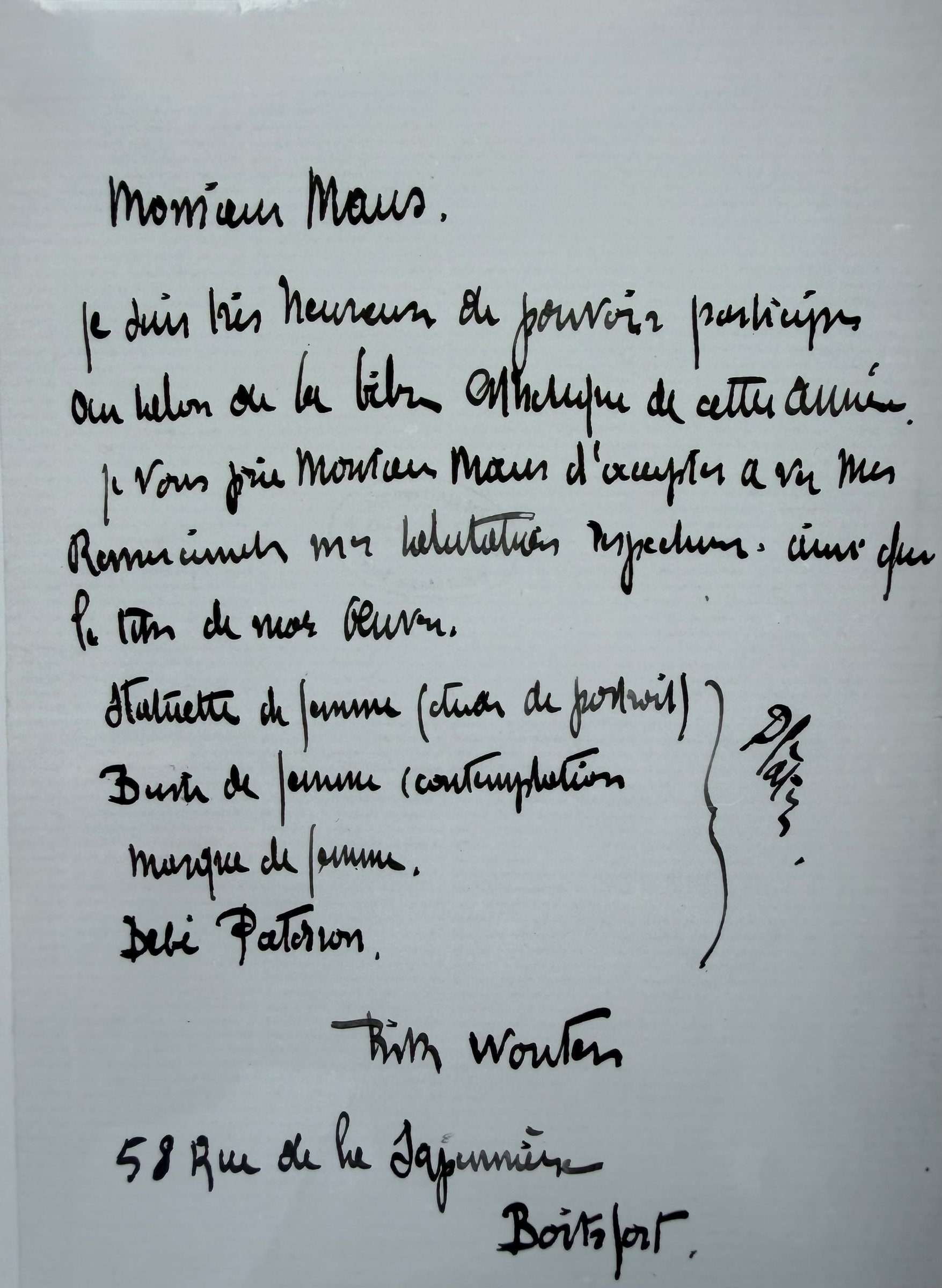
The couple first went through years of great hardship — living for a time with the artist’s father in Mechelen, then in wretched lodgings in Saint-Josse-ten-Noode — before settling in 1907 in Watermael-Boitsfort, on the edge of the Sonian Forest, to help cure Nel’s tuberculosis. It was there, amid poverty but also a kind of sensual happiness, that Wouters produced the bulk of his work.
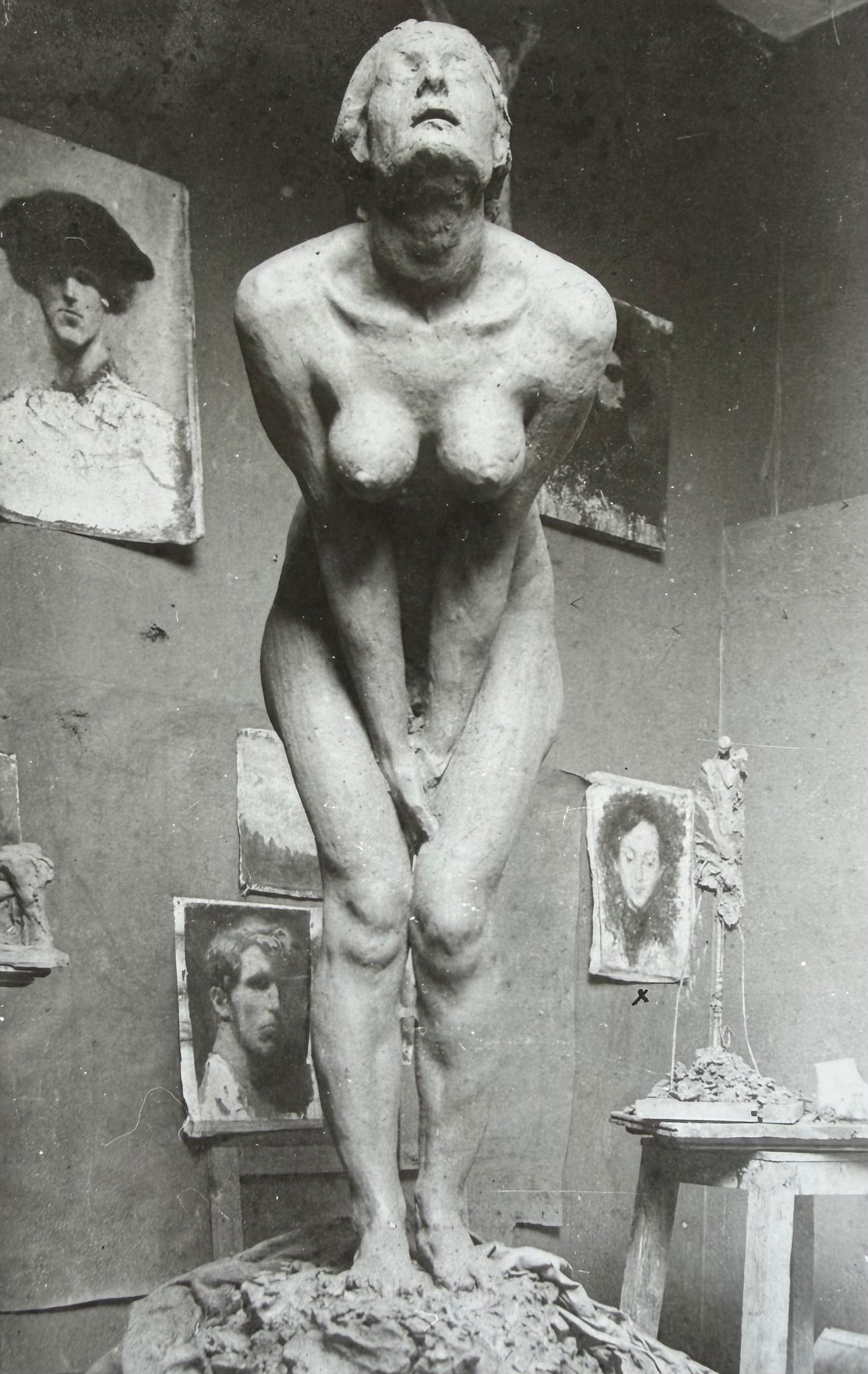
His training in Mechelen remained modest: drawing classes at the academy, supplemented by private lessons with Théo Blickx. It was in Brussels that his academic training took a more rigorous turn, under the teaching of Charles Van der Stappen, who steered him for several years toward sculpture alone — to the detriment, for the time being, of painting.
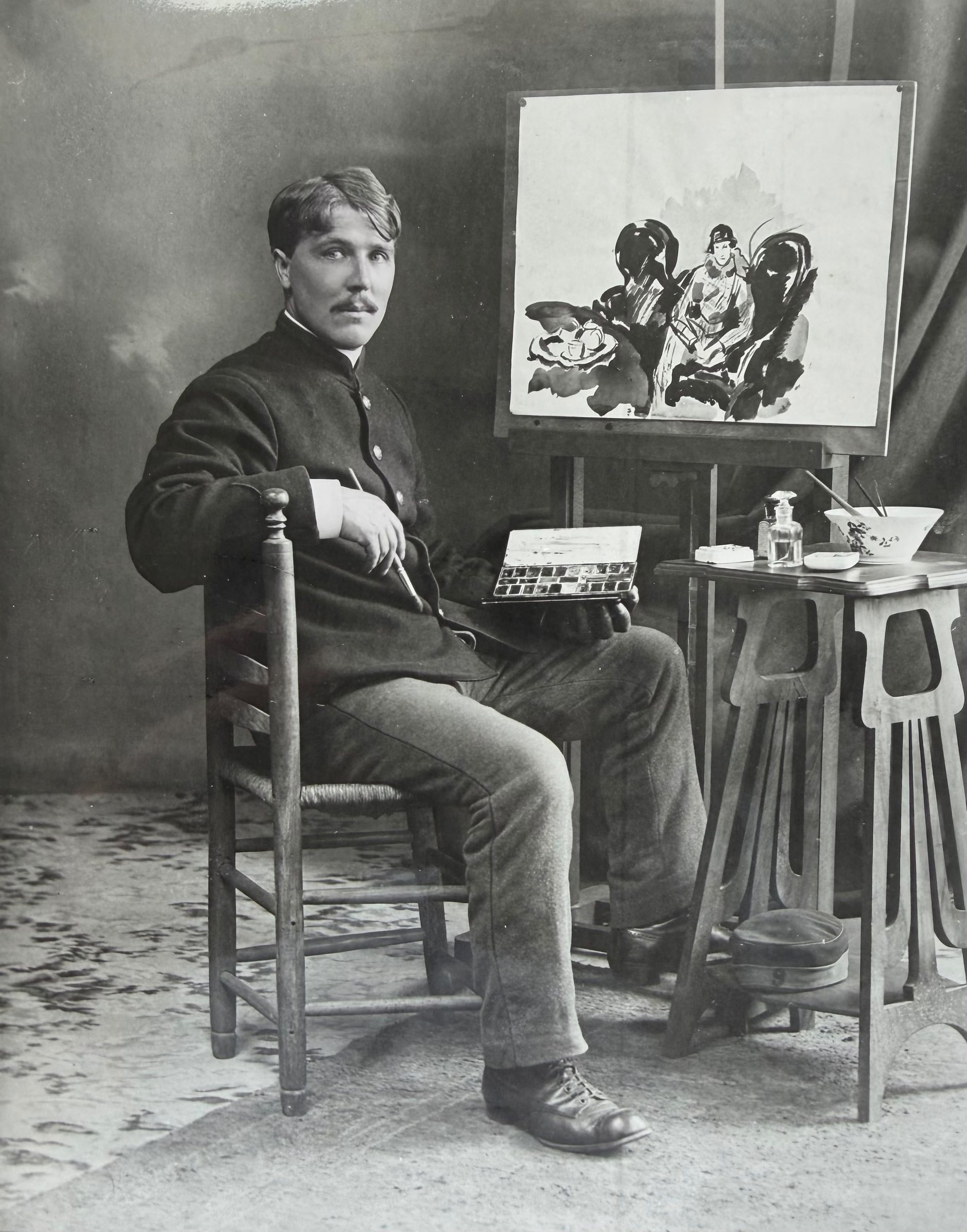
It was as a self-taught painter that he took his first steps, driven by the stimulation of his encounters at the academy and by visits to museums and exhibitions.
The role of the French painter Simon Lévy was decisive in this development. A highly cultivated artist, Lévy opened Wouters’s eyes to the French Impressionists, and beyond them to Van Gogh and Cézanne.
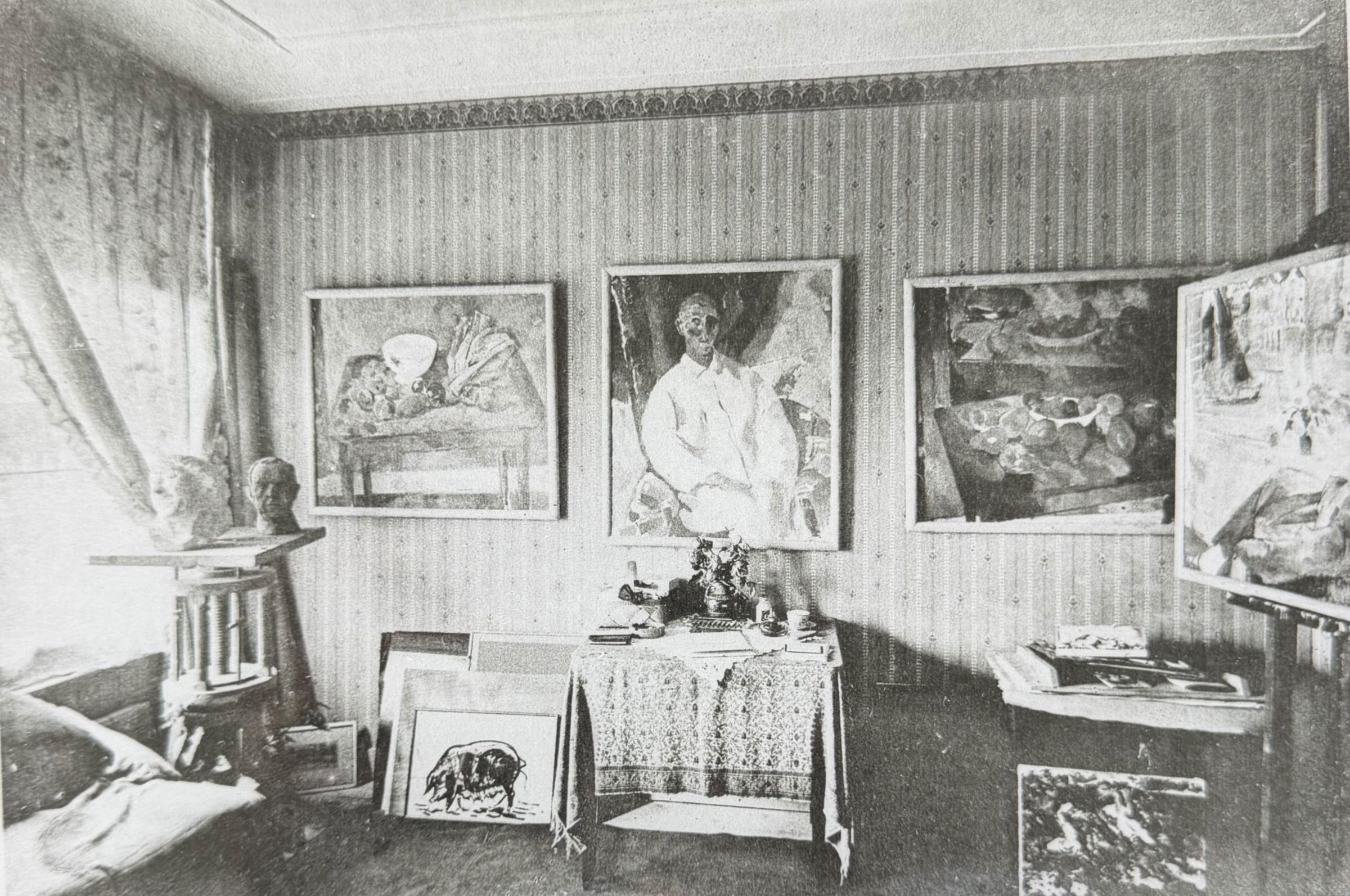
The development was striking: between his first, still uncertain attempts of 1904–1905 and the first masterly works of 1908, strongly marked by the influence of Ensor, barely three or four years separated the beginner from the already distinctive painter.

The war then upended everything: mobilised in August 1914, Wouters was interned during the autumn and winter of 1914–1915 in the camps of Zeist and Amersfoort, in the Netherlands. He was not wounded in the strict sense, but mutilated by several successive operations on his jaw.
He then settled in Amsterdam, in an apartment made available to him by Dutch friends. Freed from the camps, he painted Afternoon in Amsterdam there, a luminous canvas matching this new lease of life, alongside his poignant self-portrait with a bandage, which instead bears witness to the illness consuming him.